When Should You Reduce Your Price? (FSBO Guide)
One of the hardest parts of selling your home For Sale By Owner (FSBO) is knowing when to adjust your price.
You’ve done the work:
- You listed your home
- You prepared it
- You put it on the market
But now…
Showings are slow
Offers aren’t coming in
You’re starting to wonder what went wrong
The reality is:
Price is usually the reason
In this guide, you’ll learn exactly when to reduce your price, how to interpret market signals, and how to adjust strategically without hurting your sale.
Why Pricing Adjustments Matter
Reducing your price isn’t a failure, it’s a necessary strategy.
The Market Is Always Giving Feedback
Buyers don’t usually tell you directly your home is overpriced.
Instead, they show it through:
- Not scheduling showings
- Not making offers
- Choosing other homes
Pricing Is Not Static
The most experienced home sellers understand: Pricing is a process, not a one-time decision.
👉 Read next: How to Price Your Home Without a Realtor (FSBO Pricing Guide)
The First 2 Weeks Are Critical
When your home first hits the market, it gets the most attention.
What Happens During This Time
- Buyers see your listing for the first time
- Agents send it to clients
- Interest is highest
Why This Matters
If your price is too high during this window:
- Buyers skip your home
- You lose momentum
- Your listing becomes “stale”
PRO TIP
The longer your home sits, the harder it is to generate strong offers.
The Key Signals You Need to Watch
Instead of guessing, focus on data.
Signal #1: Number of Showings
Healthy Activity:
- Regular showing requests
- Consistent interest
Warning Sign:
Little to no showings after the first 1–2 weeks
Signal #2: Buyer Feedback
Buyers may say things like:
- “Too expensive for what it is”
- “Not as updated as others”
If you have a good follow-up system in place, you should also be receiving feedback from buyer’s agents. This will include honest feedback about your price. The FSBO Masterclass includes email templates for communicating with agents, including showing confirmation emails and feedback request forms.
Signal #3: No Offers
If you’re getting showings but no offers:
Buyers see your home, but don’t see value at your price
Signal #4: Comparing to Competition
If similar homes are:
- Selling quickly
- Getting offers
…and yours is not: Price is likely the issue.
When You Should Reduce Your Price
Here are the most common scenarios.
Scenario 1: No Showings After 2 Weeks
This is one of the clearest signs. Buyers are skipping your listing entirely.
What It Means
- You’re likely priced above market
- Your home isn’t competitive
What to Do
Consider a price adjustment sooner rather than later.
Scenario 2: Showings But No Offers
This is slightly different and very important.
What It Means
- Buyers are interested
- But not enough to make an offer
Why This Happens
- Price doesn’t match condition
- Better options exist
What to Do
A price reduction can convert interest into offers.
Scenario 3: Negative Feedback From Buyers
If you’re hearing consistent feedback about price, believe it.
Why This Matters
Buyers are comparing your home to others.
Scenario 4: Competing Homes Are Selling and Yours Isn’t
This is one of the strongest signals.
What It Means
- The market is active
- But your home is not competitive
👉 Read next: How Overpricing Your Home Hurts Your Sale (FSBO Guide)
How Much Should You Reduce Your Price?
General Guideline
Reductions are typically:
2%–5% of your price
Example
$600,000 home:
- 2% = $12,000
- 5% = $30,000
Why Small Reductions Don’t Work
Dropping your price by $1,000–$2,000 doesn’t change buyer behavior.
Strategic Reductions
You want a reduction that:
- Repositions your home in search results
- Attracts new buyers
- Signals value
Price Bands: The Hidden Factor
Buyers search in ranges:
- $500k–$550k
- $550k–$600k
Example
If you’re priced at $605,000, you miss buyers searching under $600,000
Smart Adjustment
Keep you pricing around major $25k bands if possible, for example: $575k, $600k, or $625k.
👉 Read next: How to Estimate Your Net Proceeds When Selling FSBO
Timing Your Price Reduction
Don’t Wait Too Long
Waiting too long leads to:
- Stale listing
- Reduced buyer interest
- Lower eventual offers
Don’t React Too Quickly Either
Give your listing enough time to:
- Be seen
- Generate initial feedback
Ideal Timing
Reevaluate after 10–21 days
Common Mistakes When Reducing Price
Reducing Too Little
Doesn’t change buyer behavior.
Waiting Too Long
You lose momentum.
Ignoring Feedback
The market is telling you something, so listen.
Making Emotional Decisions
Stay focused on data, not feelings.
👉 Read next: The Biggest Pricing Mistakes FSBO Sellers Make (And How to Avoid Them)
Pro Tips From a Real Estate Professional
Price Reduction = Re-Launch Opportunity
A meaningful price drop can:
- Bring new attention
- Reset buyer interest
Watch Your Competition Closely
Your pricing must stay competitive.
Be Proactive, Not Reactive
The best sellers adjust early.
Frequently Asked Questions
How long should I wait before reducing my price?
Typically 10–21 days, depending on activity.
Should I wait for an offer before adjusting?
Not if there’s no activity, adjust sooner.
Does reducing price hurt my home’s value?
No, it helps align your home with the market.
Can a price reduction attract more buyers?
Yes, if it’s meaningful and strategic.
Final Thoughts
Reducing your price can feel like a setback, but it’s actually one of the most powerful tools you have.
When you:
- Watch market signals
- Respond quickly
- Adjust strategically
…you give your home the best chance to sell.
Download Your FSBO Pricing Tools
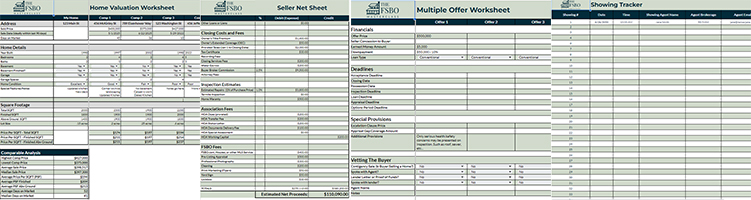
If you want help tracking your pricing strategy and knowing when to adjust, I created tools as part of The FSBO Masterclass to help you:
- Monitor market feedback
- Track showings and interest
- Adjust your pricing with confidence
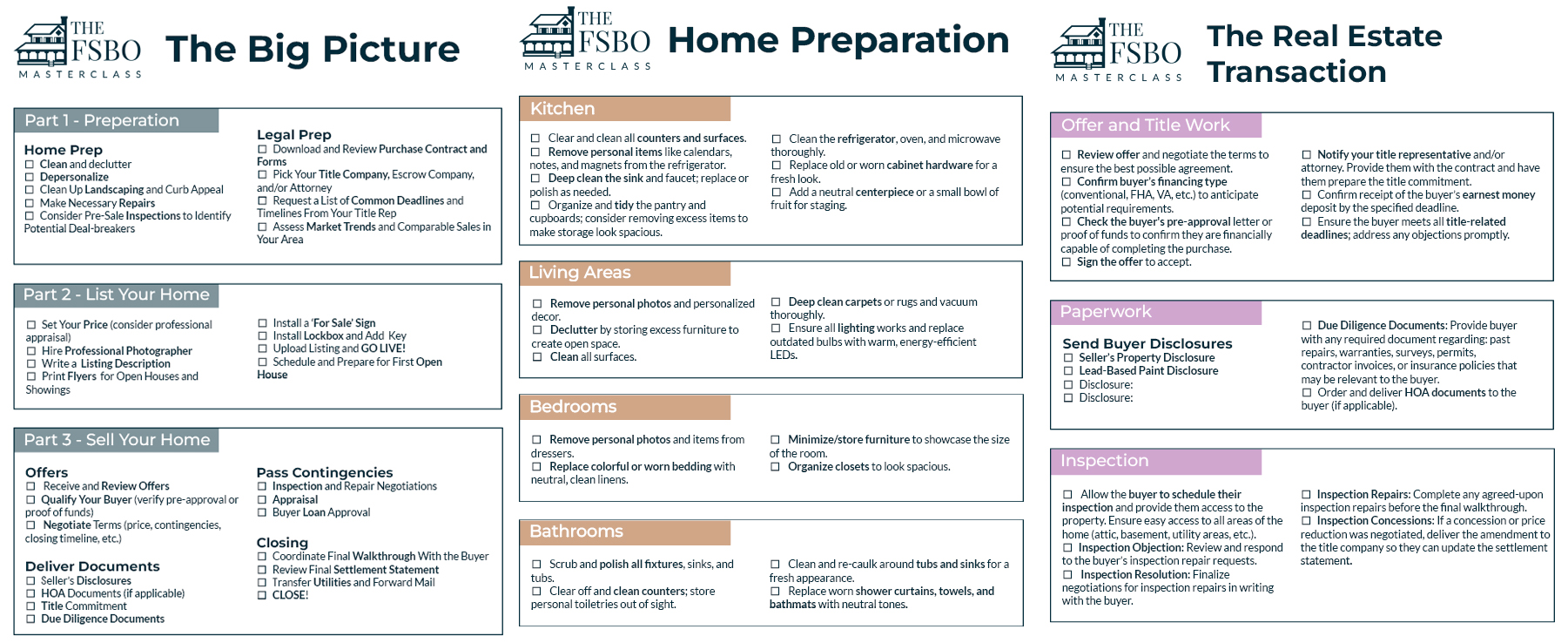
👉You can also download your free FSBO checklists here