The Home Inspection Process Explained for FSBO Sellers
Once you accept an offer on your home, one of the first major milestones is the home inspection. For many For Sale By Owner (FSBO) sellers, this is where anxiety spikes, because sellers know that if the deal is going to fall through, the inspection phase is likely when it will happen. That concern is completely normal, but most inspections do not kill deals
What inspections usually do is create a new round of information and sometimes a new round of negotiation.
In this guide, I’ll walk you through exactly how the home inspection process works, what buyers are looking for, and how to handle it without losing control of the deal.
What Is a Home Inspection?
A home inspection is a buyer’s opportunity to evaluate the condition of the property after the contract is signed.
What It Is
A home inspector reviews the home’s major systems and visible condition.
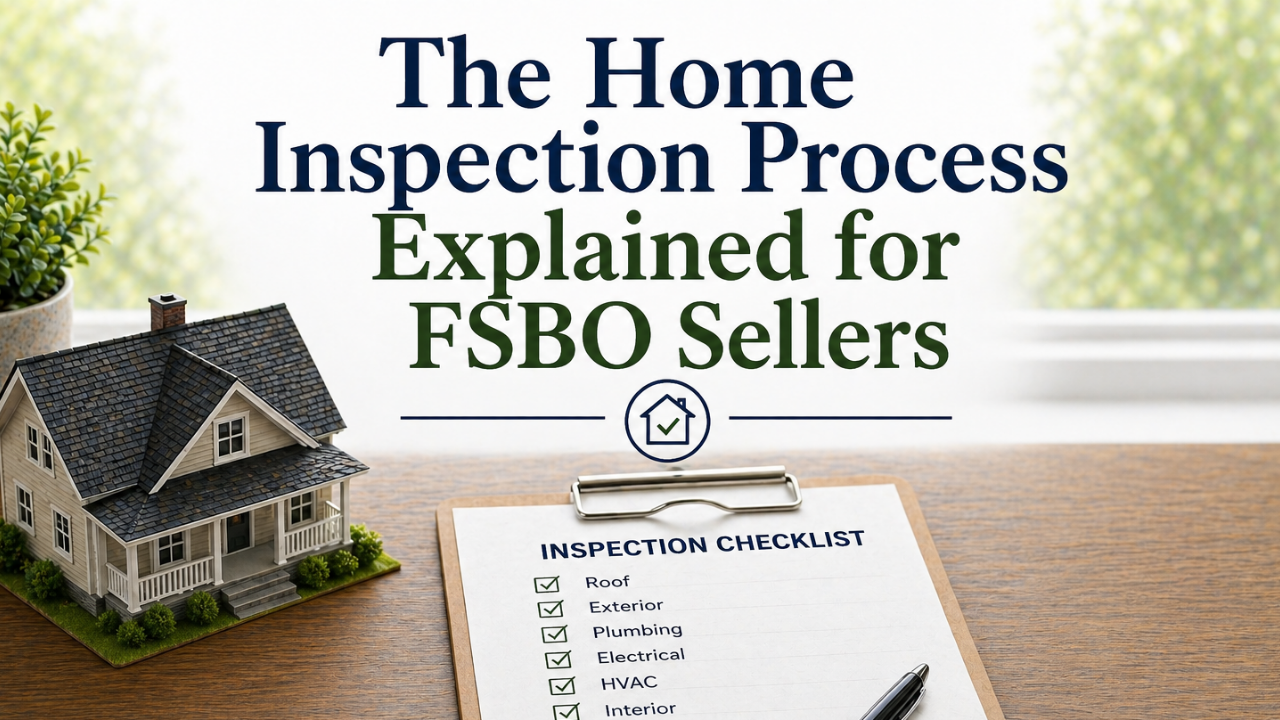
What They Typically Inspect
- Roof
- Foundation
- Electrical
- Plumbing
- HVAC
- Windows and doors
- Appliances
- Safety issues
What It Is Not
A home inspection is not:
- A code inspection
- A pass/fail test
- A guarantee the home is perfect
What It Really Is
A professional opinion about the home’s condition
👉 Read next: Understanding the FSBO Transaction Process (Step-by-Step Guide)
When the Inspection Happens
The inspection usually happens shortly after the contract is signed.
Typical Timing
Usually within 5–10 days after going under contract.
Why This Matters
This is one of the first major deadlines in the transaction.
👉 Read next: What Happens After You Accept an Offer? (FSBO Step-by-Step Guide)
What Happens During the Inspection
The buyer schedules the inspection and the inspector visits the home.
How Long It Takes
Typically 2–4 hours.
What Happens During That Time
The inspector walks through the property and documents findings.
Should You Be There?
Usually no. It’s generally best to let the buyer and inspector do their job without the seller present.
What Buyers Are Really Looking For
Most buyers are not expecting a perfect house.
They’re trying to answer three questions:
- Are there major problems?
- Are there expensive repairs ahead?
- Is there anything unexpected?
What Usually Matters Most
Buyers tend to focus on:
- Safety issues
- Structural concerns
- Roof
- Electrical
- Plumbing
- HVAC
What Usually Matters Less
Minor cosmetic issues are common and expected.
What Happens After the Inspection
Once the inspection is complete, the buyer and their agent review the report.
Then One of Four Things Usually Happens
1. Buyer Accepts the Home As-Is
No changes requested.
2. Buyer Requests Repairs
Buyer asks you to fix specific issues.
3. Buyer Requests a Credit
Buyer asks for money instead of repairs.
4. Buyer Walks Away
Only possible if allowed under the inspection contingency.
👉 Read next: What Contingencies Mean in Real Estate (And Why They Matter)
What Buyers Usually Ask For
Common Requests
- Roof concerns
- Plumbing leaks
- Electrical issues
- HVAC servicing
- Safety repairs
What Buyers Often Over-Ask For
Some buyers request:
- Cosmetic fixes
- Minor wear and tear
- Small maintenance items
Important Reminder
You are not obligated to agree to anything.
👉 Read next: What Happens If the Appraisal Comes in Low? (FSBO Guide)
How Sellers Should Respond
Your strategy matters.
Step 1: Stay Calm
The buyer may ask for repairs or credits you find unreasonable. Remember this is a negotiation. Your goal is to stay calm and professional, so you can successfully navigate this stage of the process and get to closing.
Step 2: Separate Major Issues from Minor Ones
Focus on:
- Health and Safety Issues
- Structural and Other Serious Repairs
- Expensive concerns like HVAC and Roof
Step 3: Decide How You Want to Respond
You can:
- Agree to repairs
- Offer a credit
- Decline certain requests
- Counter
Often sellers offer a combination of remedies.
👉 Read next: What Happens at Closing? (FSBO Step-by-Step Guide)
Repairs vs Credits: What’s Better?
This is an important strategic decision during the inspection negotiation.
Repairs
Pros
- Resolves the issue directly
Cons
- More work
- More coordination
- More liability if done poorly
Credits
Pros
- Simpler
- Faster
- Cleaner
Cons
- Reduces net proceeds
In Many Cases
Credits are simpler and cleaner than repairs.
👉 Read next: Do FSBO Sellers Need a Title Company or Attorney? (FSBO Guide)
What Actually Kills Deals During Inspection?
Usually not the report itself.
What kills deals is:
- Major unexpected issues
- Unreasonable expectations
- Poor communication
- Emotional reactions
- Seller (or buyer) inflexibility
The Key Reality
Most inspection issues are negotiation issues, not deal killers
Common FSBO Inspection Mistakes
Taking Inspection Requests Personally
It’s not a judgment and everything is negotiable. Remember the goal is to find a way to the closing.
Panicking Over Every Item
Most inspections include lots of minor notes. Focus on the most important items.
Refusing Everything
This can kill a workable deal. Consider the cost of going back on the market if your buyer walks away from the negotiation.
Agreeing to Everything Too Quickly
Not all requests are reasonable.
👉 Read next: Common Mistakes FSBO Sellers Make During the Transaction
Pro Tips From a Real Estate Professional
Inspection Requests Can Come As a Shock
That’s normal. Stay calm and negotiate like a professional.
Focus on What Actually Matters
Safety, structure, major systems.
Keep the Deal in Perspective
Most inspections lead to negotiation, not cancellation.
Stay Objective
This is where calm sellers win.
Frequently Asked Questions
Do inspections usually kill deals?
No, most lead to negotiation, not cancellation.
Should I be at the inspection?
Usually no.
Do I have to fix everything?
No, only what you agree to.
Are inspection reports always long?
Yes, that’s normal. It’s the inspector’s job to be thorough.
Final Thoughts
The home inspection process can feel intimidating, but it’s a normal and manageable part of selling your home.
When you understand what the inspection is, what buyers are looking for, and how to respond strategically, it becomes much easier to navigate.
And in most cases the inspection is not the end of the deal, it’s just the next step in getting to closing.
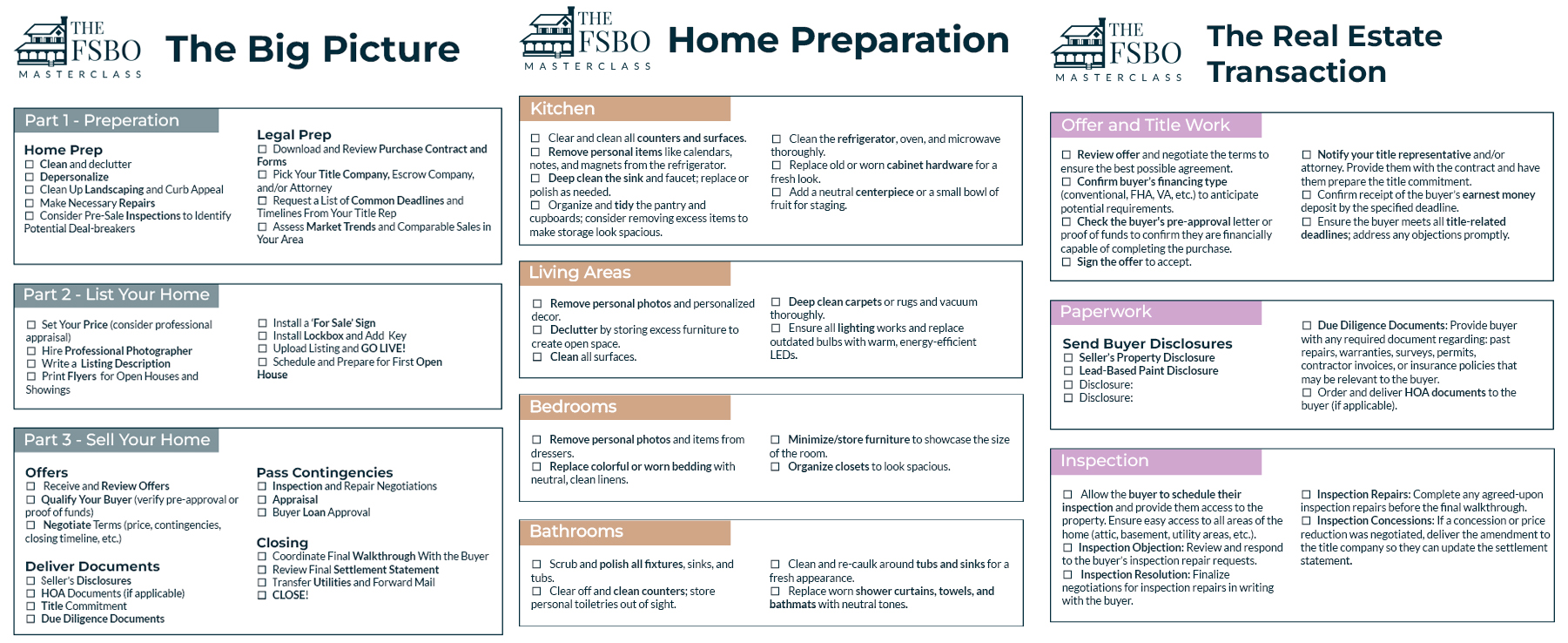
Download Your FSBO Transaction Checklist
If you want a step-by-step checklist for navigating inspections and keeping your deal on track, I created one to help you stay organized through closing.
👉 Download your free FSBO checklists here